
When disaster strikes, Redo Rescue restores your system to perfect condition in minutes, overcoming:
Damage
Malware
Deletion
Hackers
Mistakes
Bad luck
Restore your system to a blank new drive and be up and running in minutes
Preserve drive layout and restore data to different parts of the target drive
Password-protected remote access lets others assist with recovery
Simple, attractive point-and-click interface for beginners and pros alike
Redo Rescue has been downloaded over two million times worldwide
Use auditable code you can trust and freely modify and copy at no cost





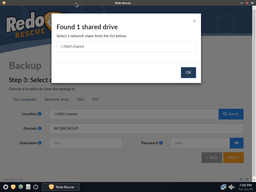






Redo Rescue bridges the divide between power and simplicity.
Get the latest ISO image below and write it to a CD or USB stick.
Chronic anxiety triggers a prolonged stress response in animals, elevating cortisol levels. This biochemical shift suppresses the immune system, leaving animals vulnerable to infections. It delays wound healing and can trigger gastrointestinal distress, mirror-imaging psychosomatic conditions found in human medicine. Principles of Veterinary Behaviorism
We'd love to hear from you! Share your experiences, thoughts, and questions about Zooskool, Sophie, and the world of zoos. Your input will help us create more engaging content and promote the important work of institutions like Zooskool.
Perhaps the most profound application is in quality-of-life (QOL) assessments for aging or terminally ill pets. Vets now use validated behavioral QOL scales that ask owners to rate their pet's engagement, mobility, happiness, and pain behaviors. This objective data helps families make the devastating decision of euthanasia with clarity, based on behavioral evidence rather than guesswork.
This separation often led to incomplete care. A cat urinating outside the litter box might have been treated repeatedly for a urinary tract infection (UTI) when the root cause was actually environmental stress or inter-cat aggression. zooskool meet sophie hot
Furthermore, wearable technology—such as smart collars that track a dog's scratching, sleeping patterns, and heart rate variability—allows veterinarians to gather objective behavioral data in the animal's natural home environment, catching illnesses long before clinical symptoms present in the exam room. Conclusion
To help you get the most out of this topic, let me know if you would like to: Focus on a (like dogs, cats, or horses) Expand on specific medications used in veterinary behavior
Then, I need to break down the key concepts. Define the nature vs. nurture components (ethology vs. learning theory). Explain the biological basis of behavior from a veterinary perspective - neurochemistry, genetics, pain. That shows the science. Next, practical applications: routine exams, prevention, specific common issues like separation anxiety or inter-cat aggression. Can't forget farm animals and exotics to show breadth. Chronic anxiety triggers a prolonged stress response in
When anxiety or aggression is severe, behavior modification alone may not work. Veterinary science utilizes targeted medications to balance brain chemistry:
High stress levels trigger the release of cortisol, which suppresses the immune system and delays wound healing. Minimizing fear during veterinary visits directly improves clinical outcomes.
If you enjoy the character-building aspects, communities on sites like Archive of Our Own often write rich, fan-created stories based on these universes. Tips for Getting the Most Out of Interactive Stories To truly dive into a narrative-heavy game or story: Principles of Veterinary Behaviorism We'd love to hear
Animal behavior and veterinary science are two sides of the same coin. True veterinary care cannot exist without addressing the mental and emotional state of the patient, just as a behavioral issue cannot be effectively resolved without ruling out biological pathology. By continuing to bridge these two fields, veterinary professionals ensure a more compassionate, accurate, and holistic approach to animal welfare worldwide.
Veterinary science has made massive strides in psychopharmacology. Medications like SSRIs (Selective Serotonin Reuptake Inhibitors) are now used alongside behavioral training to treat severe anxiety and OCD in animals. Understanding the neurobiology of the animal brain allows veterinarians to prescribe treatments that rebalance brain chemistry, making training and rehabilitation possible. Beyond the Clinic: Agriculture and Conservation