

eXist-db is Open Source Software licensed under the LGPL

These lists are used in credential stuffing attacks, where automated bots test millions of username/password combinations across different websites, exploiting the common habit of password reuse. The Structure of a Log File
Attackers have grown sophisticated in implementing this technique. A common method involves embedding malicious code into a .txt or .log file in an encoded form, such as base64. Then, a separate, seemingly legitimate script on the compromised website (like a PHP file) is used to read and execute that payload. Because standard detection focuses on the executable file, the malicious .txt file is often overlooked, allowing the attacker's code to run and fulfill its purpose without being noticed by several common security measures.
ACCESS GRANTED.
In the "gray hat" and "black hat" communities, these files are known as . They are compiled from previous data breaches and are used by automated scripts to perform "credential stuffing." This is where a bot attempts to log into hundreds of different websites using the same set of leaked credentials, banking on the fact that many people reuse passwords. 2. Debugging and Development Logs
Malware (stealer bots) installed on a user’s computer collects saved credentials from browsers like Chrome or Firefox and saves them into a local text file before exfiltrating them. If the malware is poorly designed or the exfiltration fails, these files might land in unprotected directories.
While the statistics are frightening, you are not defenseless. Here are specific technical measures to stop your credentials from ending up in a url:log:pass file on the dark web:
This string usually indicates a text file containing a list of compromised credentials formatted as .
The name "urllogpasstxt" describes the exact layout of the data contained inside the .txt file. Each line represents a unique credential set tied to a specific web platform.
"Urllogpasstxt" refers to a phishing format where attackers collect stolen credentials—URLs, usernames, and passwords—within text files generated by malicious scripts. These log-pass files, often hosted on phishing sites, represent a severe security risk that can be mitigated through multi-factor authentication (MFA) and careful verification of site URLs. For a detailed technical overview, read the discussion on Stack Overflow .
If you meant (based on the search results for "url-log"), you can find helpful medical information at the Urology Care Foundation .
Cybercrime syndicates operate automated Telegram channels where "urllogpasstxt links" are broadcasted daily to thousands of subscribers.
If you were looking for content regarding urinary health, here are the basics:
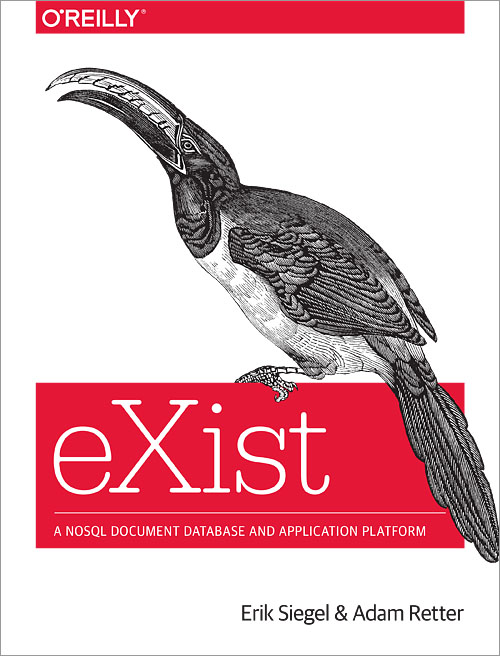
Book available as eBook or printed version from O'Reilly.com
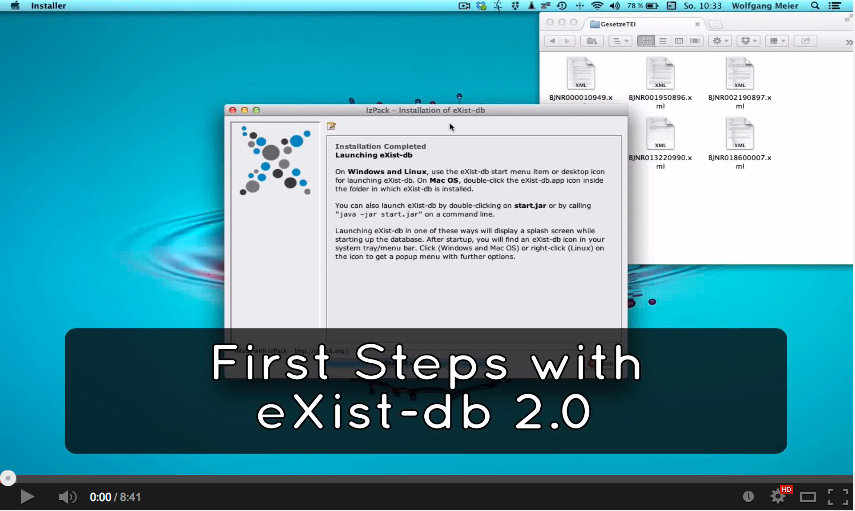
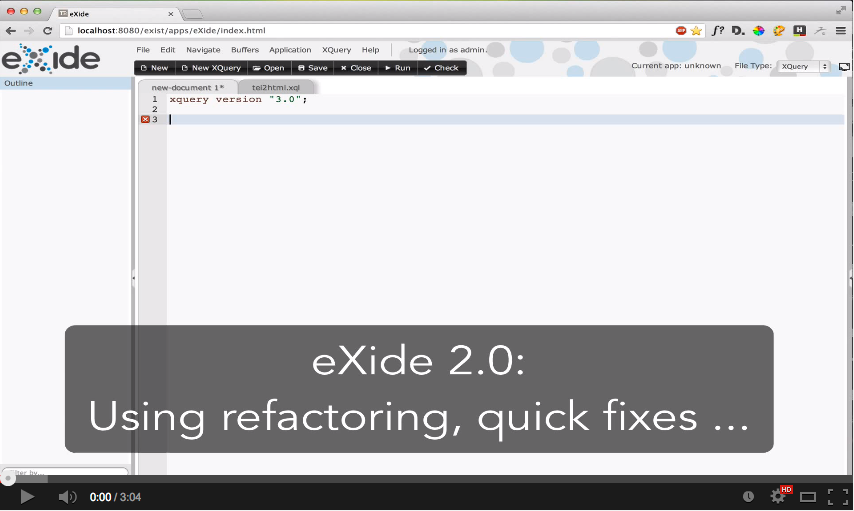
click to play on Youtube

These lists are used in credential stuffing attacks, where automated bots test millions of username/password combinations across different websites, exploiting the common habit of password reuse. The Structure of a Log File
Attackers have grown sophisticated in implementing this technique. A common method involves embedding malicious code into a .txt or .log file in an encoded form, such as base64. Then, a separate, seemingly legitimate script on the compromised website (like a PHP file) is used to read and execute that payload. Because standard detection focuses on the executable file, the malicious .txt file is often overlooked, allowing the attacker's code to run and fulfill its purpose without being noticed by several common security measures.
ACCESS GRANTED.
In the "gray hat" and "black hat" communities, these files are known as . They are compiled from previous data breaches and are used by automated scripts to perform "credential stuffing." This is where a bot attempts to log into hundreds of different websites using the same set of leaked credentials, banking on the fact that many people reuse passwords. 2. Debugging and Development Logs urllogpasstxt link
Malware (stealer bots) installed on a user’s computer collects saved credentials from browsers like Chrome or Firefox and saves them into a local text file before exfiltrating them. If the malware is poorly designed or the exfiltration fails, these files might land in unprotected directories.
While the statistics are frightening, you are not defenseless. Here are specific technical measures to stop your credentials from ending up in a url:log:pass file on the dark web:
This string usually indicates a text file containing a list of compromised credentials formatted as . These lists are used in credential stuffing attacks,
The name "urllogpasstxt" describes the exact layout of the data contained inside the .txt file. Each line represents a unique credential set tied to a specific web platform.
"Urllogpasstxt" refers to a phishing format where attackers collect stolen credentials—URLs, usernames, and passwords—within text files generated by malicious scripts. These log-pass files, often hosted on phishing sites, represent a severe security risk that can be mitigated through multi-factor authentication (MFA) and careful verification of site URLs. For a detailed technical overview, read the discussion on Stack Overflow .
If you meant (based on the search results for "url-log"), you can find helpful medical information at the Urology Care Foundation . Then, a separate, seemingly legitimate script on the
Cybercrime syndicates operate automated Telegram channels where "urllogpasstxt links" are broadcasted daily to thousands of subscribers.
If you were looking for content regarding urinary health, here are the basics:
All versions of eXist-db are Open Source and may be used in academic, non-commercial and commercial applications.
If you'd like to contribute, ask questions or are looking for the sourcecode please see our github page for details.
