Quality] - Sexfriends2022sexfriendsskiingscene4tiff Free [extra
Relationships and romantic storylines have a profound impact on our lives, influencing our perceptions, attitudes, and behaviors. Research has shown that exposure to romantic media can shape our expectations and ideals about love, relationships, and intimacy. For example, studies have found that watching romantic comedies can increase feelings of optimism and hopefulness about love, while also perpetuating unrealistic expectations about relationships.
Tropes—such as "enemies to lovers," "fake dating," or "friends to lovers"—are popular because they work. They set expectations and create immediate stakes. However, successful writers know how to use them as a starting point rather than a crutch [Final Draft].
Even when we crave realism, we still love a good trope. Tropes are the ingredients of a romantic storyline, and when used correctly, they act as a pressure cooker for character development.
By delaying physical and emotional gratification, writers maximize anticipation. The eventual payoff satisfies audiences because the emotional investment is incredibly high. The Evolution of Romance in Modern Media sexfriends2022sexfriendsskiingscene4tiff free
This realism allows audiences to see their own relationship struggles mirrored on screen or on the page, validating their experiences and promoting a healthier understanding of love as a collaborative effort rather than a flawless alignment of souls. Diversity in Love and Partnership
While romantic storylines provide excellent entertainment, they also wield significant influence over how we view real-world dating and marriage. Media consumption shapes our relationship scripts—the internal blueprints we use to determine what a relationship should look like.
As we move forward, it's essential to prioritize diverse representation, nuanced themes, and authentic storytelling in relationships and romantic storylines. By doing so, we can create a more inclusive, empathetic, and compassionate media landscape that reflects the complexity and beauty of human relationships. Relationships and romantic storylines have a profound impact
When two imperfect people attempt to form a bond, conflict arises naturally from their character traits rather than forced external plot devices. Storylines now frequently explore how personal insecurities, career ambitions, and mental health struggles impact a partnership.
Romantic storylines are a cornerstone of human storytelling, serving as both a mirror to our desires and a blueprint for interpersonal dynamics. Whether in classic literature or modern digital media, the evolution of a relationship—from initial spark to long-term commitment—captures the complexity of human emotion. This paper examines the key elements that make romantic narratives compelling and how they relate to the fundamental skills required for healthy, real-world partnerships. The Anatomy of a Romantic Storyline
We experience the highs of a first kiss and the lows of a breakup from a safe distance, helping us process our own feelings. Tropes—such as "enemies to lovers," "fake dating," or
The Chemistry of Narrative: Why Relationships and Romantic Storylines Define the Human Experience
Romantic storylines have evolved significantly over the years, reflecting changing societal norms, cultural values, and technological advancements. In the past, romantic storylines often conformed to traditional tropes, such as the "happily ever after" ending or the "damsel in distress" narrative. However, with the rise of feminist movements, diverse representation, and complex characters, romantic storylines have become more nuanced and multifaceted.





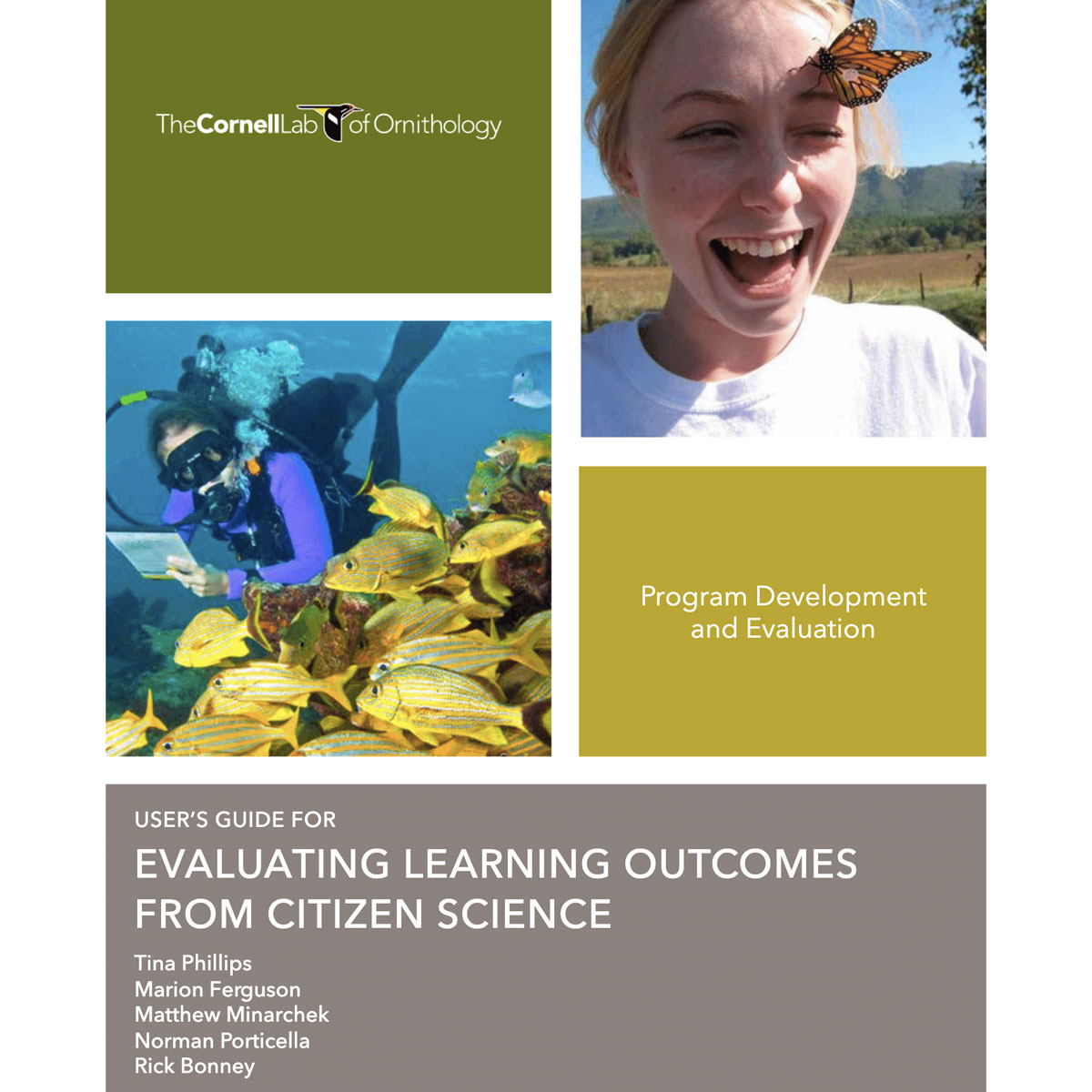 © Monarch: courtesy GSMIT Archives; Surveyor: Reef Environmental Education Foundation (REEF) by Paul Humann