"Good evening, my lovely little slaves to fate."
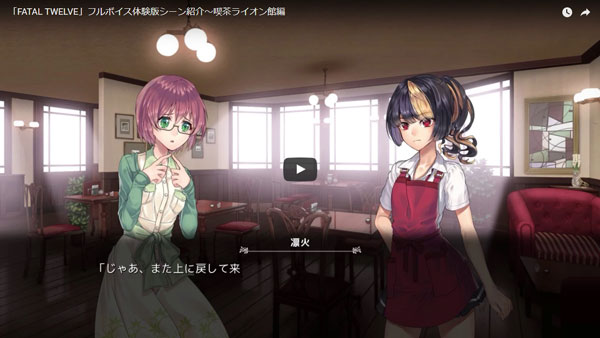
Shishimai Rinka was a highschooler who ran a small café named Lion House in place of her grandmother. She lived her life much like any other person her age, but one day, she was caught up in an explosion while returning home on the train alongside her friend, Hitsuji Naomi. In an attempt to save her friend's life, she shields her on instinct the moment the explosion goes off, losing her life in the process. However, before she knew it, she was back at Lion House, happily chatting with her friends as if nothing had happened in the first place.
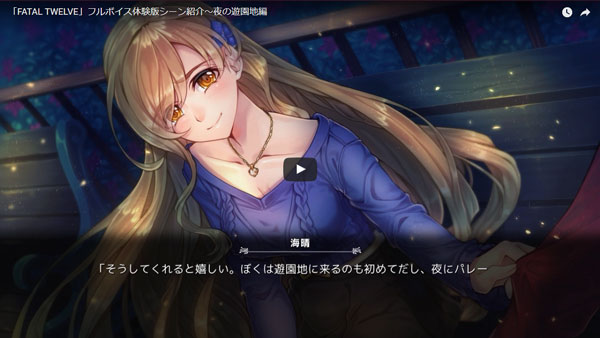
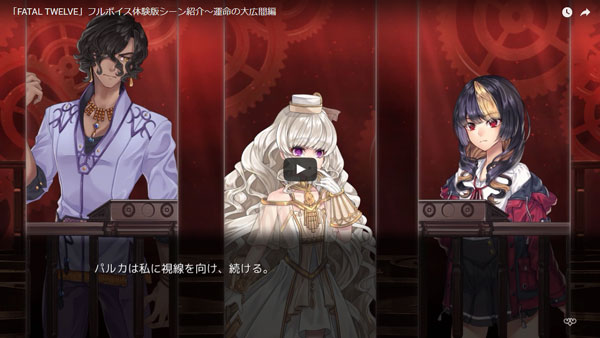
A few days later, she found herself in a strange world. Here she met Parca, an odd girl claiming to be a goddess. It turns out that she had somehow become a participant in Divine Selection, a ritual carried out over twelve weeks by twelve people, which allowed them to compete in order to undo their deaths. What shocked Rinka most of all, however, was the presence of her friend Mishima Miharu amongst the twelve.
In order to make it through Divine Selection, one must eliminate others by gathering information regarding their name, cause of death and regret in the real world, then "electing" them.
This turn of events would lead to her learning about the truth behind her death, as well as her own personal regrets. She would also come to face the reality that Miharu was willing to throw her life away for her sake, as well as the extents to which the other participants would go to in order to live through to the end.
Far more experiences than she ever could have imagined awaited her now, but where will her resolve lead her once all is said and done...?
In the age of "verified" tags and viral leaks, the internet often moves faster than our collective conscience. Lately, certain search trends involving "sleep-play" or "sleeping" videos have surged, raising a massive red flag regarding the most important word in any interaction: What is "Sleep-Play" vs. Non-Consensual Acts?
It's essential for anyone who has experienced or knows someone who has experienced sexual assault to seek help. There are resources available, including:
For support or guidance on how to report such content or deal with related issues, you can consider reaching out to: pinay kinantot habang tulog verified
If you or someone you know has been a victim of the unauthorized sharing of private images or videos in the Philippines, you can seek help from the National Bureau of Investigation (NBI) Cybercrime Division Philippine National Police (PNP) Anti-Cybercrime Group
Sexual assault, including incidents that occur while the victim is asleep, is a serious crime. Laws vary by jurisdiction, but generally, these acts are prosecuted under rape or sexual assault statutes. The penalties can be severe, including imprisonment. Beyond the legal consequences, there are significant social implications. Sexual assault can lead to stigma and social isolation for victims, and perpetrators can face social condemnation and community repercussions. In the age of "verified" tags and viral
Victims of sexual assault, including those who experience it while asleep, can suffer from long-term psychological and emotional trauma. The effects may include:
If you're looking for information on consent, healthy relationships, or sexual education, I'm here to provide guidance and resources. It's crucial to understand that any sexual activity must be consensual, meaning all parties involved must freely and willingly agree to participate. Consent is not just the absence of a "no," but the presence of a clear "yes" from all parties involved. It's essential for anyone who has experienced or
Non-consensual intimate acts, including those that occur while a person is asleep or unconscious, are considered a severe violation of their rights and boundaries. Such acts are often referred to as or rape .
The phrase "Pinay kinantot habang tulog verified" translates from Filipino to English as a sensitive topic that involves a serious issue of sexual assault or rape, specifically when the victim is asleep. The term "Pinay" refers to a Filipino woman, and "kinantot" is a colloquial term for sexual intercourse. "Habang tulog" means while asleep, and "verified" implies a confirmation or authenticity of the act. This topic raises significant concerns about consent, safety, and the serious legal and social implications of sexual assault.
In conclusion, when engaging with sensitive topics, especially those that are explicit or potentially harmful, it's crucial to prioritize verified information, consent, and the well-being of individuals. By fostering a culture that values respect, accuracy, and support, we can navigate the complexities of digital content in a responsible manner.
Reporting incidents of sexual assault is crucial, not only for holding perpetrators accountable but also for ensuring that victims receive the support and protection they need. However, victims of sexual assault often face barriers to reporting, including fear of not being believed, fear of retaliation, and fear of the legal process.

In the age of "verified" tags and viral leaks, the internet often moves faster than our collective conscience. Lately, certain search trends involving "sleep-play" or "sleeping" videos have surged, raising a massive red flag regarding the most important word in any interaction: What is "Sleep-Play" vs. Non-Consensual Acts?

It's essential for anyone who has experienced or knows someone who has experienced sexual assault to seek help. There are resources available, including:

For support or guidance on how to report such content or deal with related issues, you can consider reaching out to:
If you or someone you know has been a victim of the unauthorized sharing of private images or videos in the Philippines, you can seek help from the National Bureau of Investigation (NBI) Cybercrime Division Philippine National Police (PNP) Anti-Cybercrime Group
Sexual assault, including incidents that occur while the victim is asleep, is a serious crime. Laws vary by jurisdiction, but generally, these acts are prosecuted under rape or sexual assault statutes. The penalties can be severe, including imprisonment. Beyond the legal consequences, there are significant social implications. Sexual assault can lead to stigma and social isolation for victims, and perpetrators can face social condemnation and community repercussions.
Victims of sexual assault, including those who experience it while asleep, can suffer from long-term psychological and emotional trauma. The effects may include:
If you're looking for information on consent, healthy relationships, or sexual education, I'm here to provide guidance and resources. It's crucial to understand that any sexual activity must be consensual, meaning all parties involved must freely and willingly agree to participate. Consent is not just the absence of a "no," but the presence of a clear "yes" from all parties involved.
Non-consensual intimate acts, including those that occur while a person is asleep or unconscious, are considered a severe violation of their rights and boundaries. Such acts are often referred to as or rape .
The phrase "Pinay kinantot habang tulog verified" translates from Filipino to English as a sensitive topic that involves a serious issue of sexual assault or rape, specifically when the victim is asleep. The term "Pinay" refers to a Filipino woman, and "kinantot" is a colloquial term for sexual intercourse. "Habang tulog" means while asleep, and "verified" implies a confirmation or authenticity of the act. This topic raises significant concerns about consent, safety, and the serious legal and social implications of sexual assault.
In conclusion, when engaging with sensitive topics, especially those that are explicit or potentially harmful, it's crucial to prioritize verified information, consent, and the well-being of individuals. By fostering a culture that values respect, accuracy, and support, we can navigate the complexities of digital content in a responsible manner.
Reporting incidents of sexual assault is crucial, not only for holding perpetrators accountable but also for ensuring that victims receive the support and protection they need. However, victims of sexual assault often face barriers to reporting, including fear of not being believed, fear of retaliation, and fear of the legal process.