Hi! ¡Hola! Salut! Hallo!
Inurl Pk Id 1 -
Stop feeling guilty binging a show on Netflix.
With Movie Lingo it’s learning.
With Movie Lingo it’s learning.

We are proud to introduce you to our Chrome Extension and WebApp that helps movies enthusiasts to learn languages while watching their favourite movies and series! How cool is that?
Add extension to your browserfor learning sessions


Log in Web App to manage your notes and test your knowledge

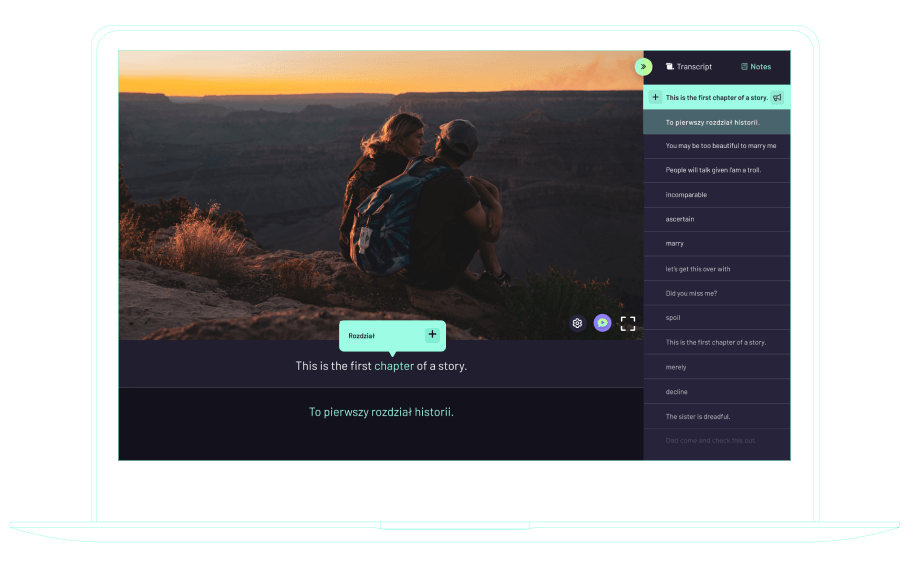

There is no better way to study than entertainment.
We change the
education into fun. Binge-learn with us!

You are exposed to the authentic, everyday language spoken by native speakers.

You choose what you're learning by picking movies and series of your interest.

You catch the slang and informal jargon along with its context. You get used to the various accents.
The search query "inurl:pk id=1" is a common footprint used in cybersecurity to identify specific types of web URL structures. While it looks like a random string of characters, it carries significant meaning for both security researchers and potential attackers.
Attackers (and penetration testers) use this dork to discover:
Using advanced search operators to find security flaws or specific exposed data is known as (or Google Hacking). inurl pk id 1
When a web developer builds a site in languages like PHP, ASP, or JSP, they often pass the primary key via the URL to fetch specific content from the database.
The number one is rarely a random choice for malicious actors. In database architecture, the first row created in a user table typically belongs to the system creator, root user, or primary administrator. The search query "inurl:pk id=1" is a common
: This is a standard query parameter. It asks the database to fetch the very first entry (ID #1) in a specific table, which is often the website administrator's account or the first published article.
A user receives a link: dashboard.php?user_id=1 . If they change it to user_id=2 , they might see another person’s private billing information. A search for inurl: pk id 1 specifically targets the "first" record—often the most sensitive one. When a web developer builds a site in
https://example.com/product?pk=123&id=1 https://site.com/view?pk=item&id=1&cat=2
Even if SQL injection isn’t possible (e.g., the database is secure), the URL structure reveals an vulnerability. This means the application uses direct references to internal objects (like a user pk ), but fails to check if the logged-in user is authorized to access that object.
The most effective defense against SQL injection is the use of parameterized queries (prepared statements). This ensures that the database treats the id value strictly as data, never as executable code, regardless of what a user types into the URL. 2. Use URL Rewriting (Sloppy vs. Clean URLs)
If you manage a website or develop web applications, seeing your URLs appear under these search parameters highlights the need for robust security implementations:
A company that works with top film studios, executives, networks and TV broadcasters to help them make informed content decisions.
Plum’s mission is to tailor entertainment for consumers on a global scale by providing in-depth and accurate insights backed by data.