
Industrial Electronics N4 Pdf Notes -
: Understanding the scope of industrial systems.
: Determining the load resistance required to extract the most power from a source. 2. Alternating Current (AC) Theory (20%) AC theory transitions from basic resistance to impedance ( ) using complex numbers ( -notation).
You can access specific "deep" study materials and past papers through these platforms: :
Utilize components like TRIACs and DIACs to alter the phase angle of the AC waveform, thereby controlling the power delivered to a lamp. 6. Transducers and Instrumentation industrial electronics n4 pdf notes
N4 introduces the logic circuits used to control industrial processes.
Keep a dedicated sheet for critical equations ( XLcap X sub cap L XCcap X sub cap C , and Op-Amp gain formulas) for quick reference.
While Electrical Machines covers the construction, Industrial Electronics covers the methods. : Understanding the scope of industrial systems
A dedicated Power Supply Formulas PDF includes calculations for ripple factors, PIV, and filters. 📘 Syllabus Overview (2024 Revised) The new N4 syllabus has been streamlined into six modules : 1. Network Theorems
Semiconductors are crucial for controlling electricity flow. Diodes allow current to flow in only one direction, enabling rectification. Rectification Methods
Industrial Electronics N4 is a core theoretical component of the National N-Diploma in Electrical Engineering (Light Current), designed to equip students with fundamental principles of the electronic industry . The curriculum was recently revised, and as of Alternating Current (AC) Theory (20%) AC theory transitions
Industrial Electronics N4 is a practical, exam-oriented course that prepares students for real-world industrial electrical work. These PDF notes condense the N4 syllabus into clear theory summaries, worked calculations, wiring diagrams, and exam-style questions—ideal for classroom revision and hands-on lab preparation.
The search for "Industrial Electronics N4 PDF notes" is driven by the unique needs of the technical student. Here is why these digital resources have become indispensable:
| Module | Key Topics | | :--- | :--- | | | Ohm's Law, Kirchhoff's Laws, Thevenin's Theorem, Superposition Theorem | | 2. Alternating Current (AC) Theory | Sine waves, frequency, phase angles, impedance in RLC circuits, resonance | | 3. Semiconductors & Diodes | Intrinsic/extrinsic materials, P-N junction, Zener diodes, tunnel diodes, varactor diodes | | 4. Power Supplies | Transformers, half-wave/full-wave rectification, filters, voltage regulation | | 5. Transistor Devices | Biasing methods, amplifier configurations (common emitter, common collector), gain calculation | | 6. Operational Amplifiers | Inverting/non-inverting configurations, characteristics, gain, applications | | 7. Electronic Power Control | SCR (Silicon Controlled Rectifier) characteristics, triacs, other power control devices | | 8. Transducers | Principles of sensors (e.g., temperature, light, pressure) and actuators | | 9. Testing Equipment | Oscilloscope, multimeter, function generator | | 10. Logic Systems | Digital logic, binary systems, circuit design for computing and control |
Solve calculations on resonance, impedance, and rectification repeatedly to build confidence.
 Qadın Günəş eynəkləri
  Uşaq Günəş eynəkləri
  Kişi Günəş eynəkləri
  Brend Qadın Günəş eynəkləri
  Brend Kişi günəş eynəkləri
  Kişi optik eynəyi
  Qadın optik eynəyi
  Uşaq optik eynəyi
  yeniyetmə optik eynək
  Böyük
Böyük  Uşaq
Uşaq  Şəffaf linza
  Rəngli linza
  Rəngli optik linza
  Linza suyu
  Linza qabı
  Aksesuarlar
  asağı qiymətə
  toric (Astiqmat) linza
  multifocal linzalar
  GUNLUK KULLAN-AT LENSLER
  Zəifləməni dayandiran/kontrol edən susələr
 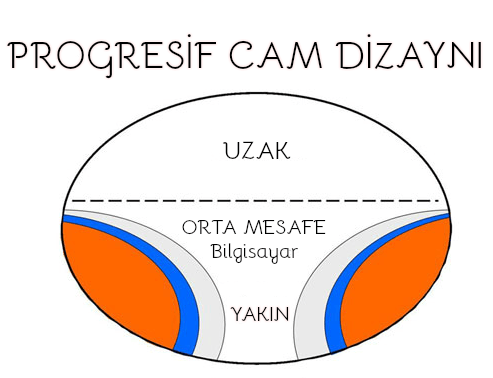 PROGRESIF (uzag orta yaxin) suseler
 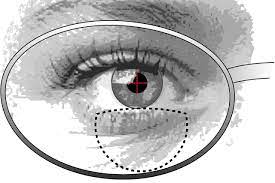 BIFOKAL süsələr (uzag yaxin)
  BRENDƏ GÖRƏ SEC (organik)