By Gergely Orosz, the author of The Pragmatic Engineer Newsletter and Building Mobile Apps at Scale
Navigating senior, tech lead, staff and principal positions at tech companies and startups. An Amazon #1 Best Seller. New: the hardcover is out! As is the audibook. Now available in 6 languages.
Specialized semiconductors and modules can have fluctuating lead times depending on global supply chain health.
Proper identification helps maintenance teams verify that the heat dissipation specs meet the original design requirements.
By integrating this code into automated inventory frameworks—such as SAP or Oracle Supply Chain Management (SCM)—warehouses track real-time stock levels. This prevents manufacturing bottlenecks by triggering automated re-order requests before inventory falls below critical margins. Installation and Lifecycle Management
When handling highly specific alphanumeric keys within global platforms like Oracle Cloud Supply Chain, companies must enforce strict data management protocols to prevent database degradation.
The device is a complete solution for measuring thermocouples, consisting of two components: an and an NI USB-9162 carrier .
Specialized parts with unique codes may not be "off-the-shelf" items and could require specific manufacturing windows.
⭐⭐⭐⭐☆ (4.2/5)
Beyond wearable lifestyle goods, system logs link this identifier matrix to specialized maintenance components like .
This string follows a standard structure used to ensure every file has a unique identifier, even if the original files had the same name (e.g., image.jpg ).
The new deployment runs into a conflict with old, leftover registry structures or hardware settings.
– Undocumented part numbers like f9211a00017v001 require forensic methods. Documenting such findings prevents future bottlenecks.
The middle numeric string tracks production sequences, production lots, or warehouse location markers. Digit Segment Supply Chain Purpose Operational Benefit
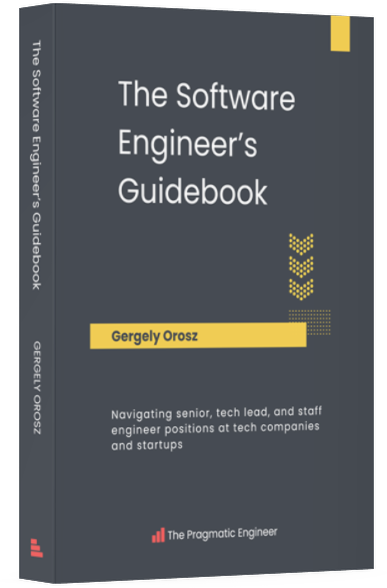
The book is separated into six standalone parts, each part covering several chapters:
Parts 1 and 6 apply to all engineering levels: from entry-level software developers to principal or above engineers. Parts 2, 3, 4 and 5 cover increasingly senior engineering levels. These four parts group topics in chapters – such as ones on software engineering, collaboration, getting things done, and so on.
This book is more of a reference book that you can refer back to, as you grow in your career. I suggest skimming over the career levels and chapters that you are familiar with, and focus reading on topics you struggle with, or career levels where you are aiming to get to. Keep in mind that expectations can vary greatly between companies.
In this book, I’ve aimed to align the topics and leveling definitions closer to what is typical at Big Tech and scaleups: but you might find some of the topics relevant for lower career levels in later chapters. For example, we cover logging, montiroing and oncall in Part 5: “Reliable software systems” in-depth: but it’s useful – and oftentimes necessary! – to know about these practices below the staff engineer levels.
The Software Engineer's Guidebook is available in multiple languages:
You should now be able to ask your local book shops to order the book for you via Ingram Spark Print-on-demand - using the ISBN code 9789083381824. I'm also working on making the paperback more accessible in additional regions, including translated versions. Please share details here if you're unable to get the book in your country and I'll aim to remedy the situation.
I'd like to think so! The book can help you get ideas on how to help software engineers on your team grow. And if you are a hands-on engineering manager (which I hope you might be!) then you can apply the topics yourself! I wrote more about staying hands-on as an engineering manager or lead in The Pragmatic Engineer Newsletter.
I've gotten this variation of a question from Data Engineers, ML Engineers, designers and SREs. See the more detailed table of contents and the "Look inside" sample to get a better idea of the contents of the book. I have written this book with software engineers as the target group, and the bulk of the book applies for them. Part 1 is more generally applicable career advice: but that's still smaller subset of the book.