
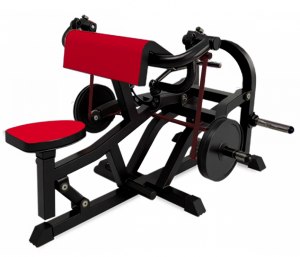
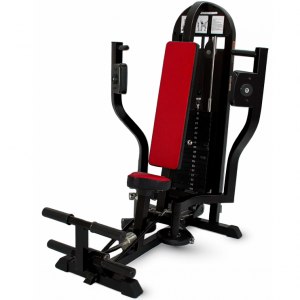

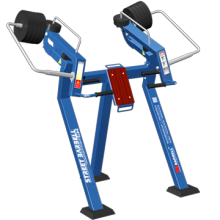
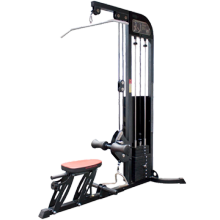
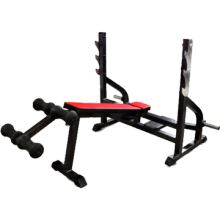
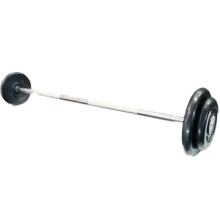

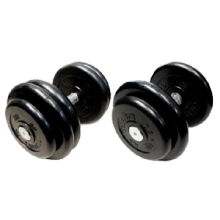
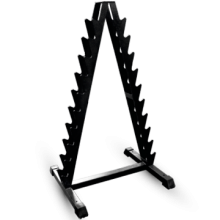
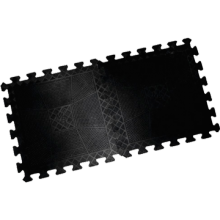


При оснащении коммерческого тренажерного зала важно выбирать оборудование, которое выдерживает высокую нагрузку, ин
Предлагаем спортивное оборудование MB Barbell отечественного производства для занятий в залах, дома и на свежем воздухе. Каждая модель разрабатывалась опытными тренерами и специалистами в области биомеханики. Это сделало тренажеры одновременно эффективными, удобными и безопасными для пользователя.
Crying, of course, doesn’t solve everything. But it unlocks . The day after finishing "Cry of the Forgotten Hour" , I did three things I hadn’t done in months:
"Doujindesutvturningmylifearoundwithcry" serves as both a brand and a personal manifesto. It represents the intersection of niche internet culture and the universal human desire for growth and healing. While specific details of the "life-turning" events are rarely fully explained, the title itself acts as a signal of resilience to its community. Doujindesutvturningmylifearoundwithcry
We are taught early that crying is a surrender. A loss of composure. A crack in the armor of adulthood. But what if the most transformative cry is not one of grief, but of recognition? What if a cheap, pixelated image on a television screen — born not from a corporate studio but from the raw, unpolished heart of a doujinka (self-published creator) — can reach into the marrow of your life and twist it toward meaning? This is the strange, quiet power of what I will call the doujindesuTV moment: when an amateur work, consumed in solitude, ignites a catharsis so complete that nothing afterward remains the same. doujindesutvturningmylifearoundwithcry
The phrase turning my life around has become a cliché, reserved for recovery memoirs and motivational TED talks. But real turning points are rarely grand. They are small, humiliating, and wet with tears. In my case, it was a black-and-white doujin manga, no more than thirty pages, about a character who had given up. Not dramatically — no suicide note, no final scream — just a quiet, daily giving-up: skipping meals, avoiding mirrors, letting friendships rot like fruit left in the sun. The protagonist’s face was drawn crudely, almost amateurishly, and yet in one panel, they sat alone in a rented room, watching a small TV that only played static. That static was my own life reflected back.
Western culture often frames crying as weakness. But in many doujin narratives—especially those emerging from Japan’s indie scene—tears are portrayed as a biological and spiritual reset button. To cry is to acknowledge that you are still alive enough to hurt. And to hurt is to be connected. Crying, of course, doesn’t solve everything
If there’s one thing to take from this long, winding confession, it’s this: Seek out the unfiltered art. The messy doujinshi. The low-budget TV episodes with typos in the subtitles. The songs recorded on a phone in a single take. These works are not imperfections—they are evidence of human effort. And human effort, in all its raw glory, is what reminds us that we are not machines built for productivity.
As a community-driven site, it offers niche stories that mainstream platforms might miss. This allows for more relatable, raw, and life-changing narratives that resonate with people looking for a fresh start. It represents the intersection of niche internet culture
5/5 stars
Using emotional vulnerability as a stepping stone for personal growth is backed by psychological principles. Far from a sign of weakness, leaning into a "good cry" acts as a biological and mental reset button. 1. Catharsis and Chemical Release
I didn’t just watch. I responded . I left a comment—a pathetic, five-word confession: “I don’t know what to do.”