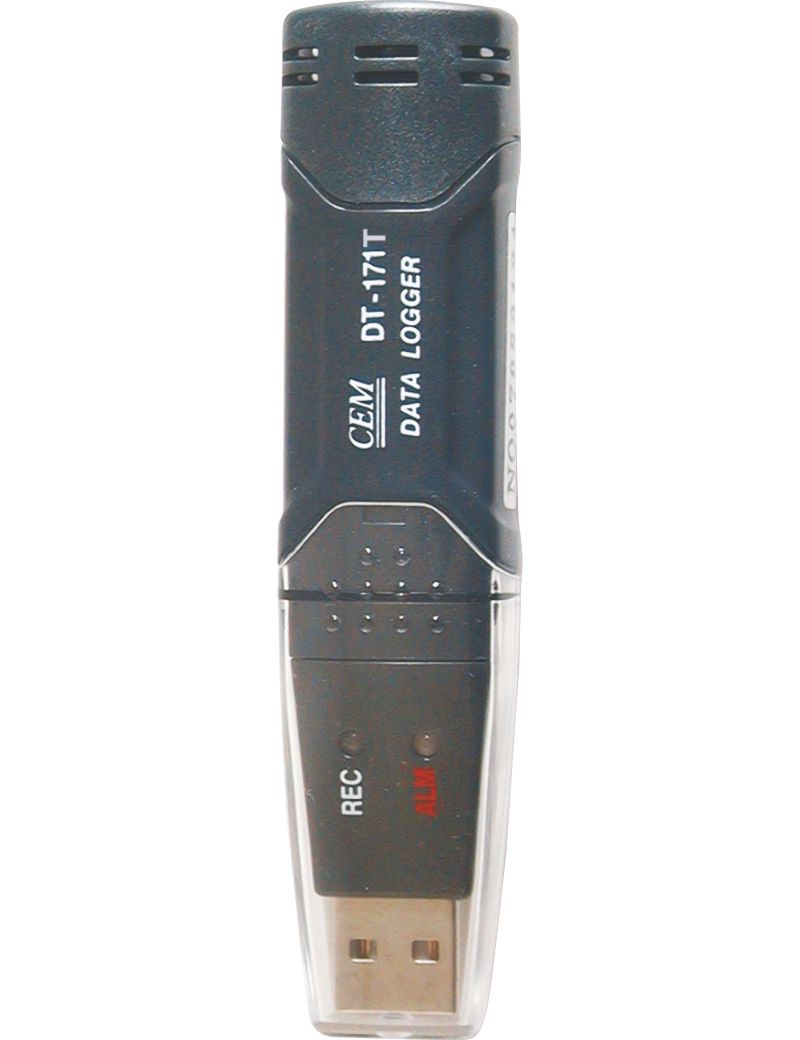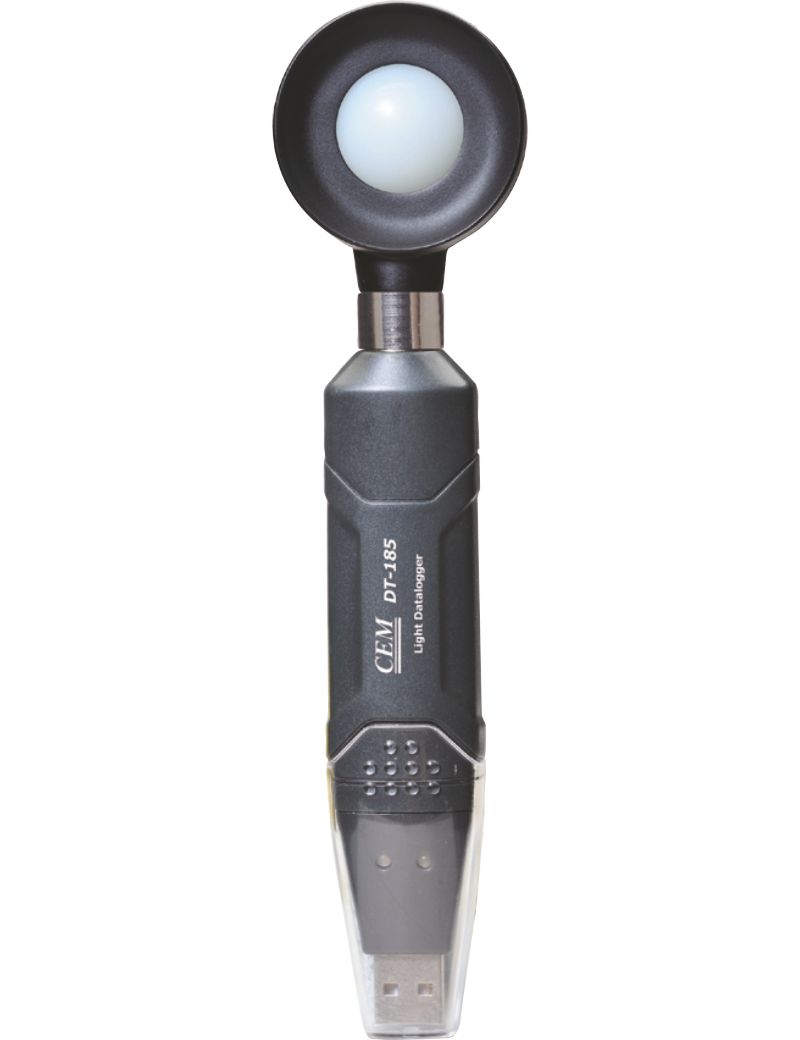
The CEM DT-172 is a smart data logger with internal sensors for both humidity and temperature. All values are shown in the display, that is present, max., min. and time. The logger is perfect for many different applications like office environment or temperature controlled transportation or clean rooms. The loggings are stamped with time and date and the large memory enables logging of 16,000 data sets.
In the software alarms limits can be programmed and the loggings are easily transferred and printed as graph or list.
The CEM DT-172 is delivered ready to use with battery, wall mount, software, USB cable and manual.
In a broader sense, Delicia symbolizes the power of positivity and the importance of cultivating joy in our lives. Her presence encourages us to appreciate the beauty and wonder of the world around us, to seek out experiences that bring us delight, and to spread happiness to those around us.
Recent scholarship, particularly the 2025 study Delicati and Delicia in the Roman Empire by Valeria La Monaca, has moved beyond the salacious image of these slaves to provide a more nuanced view. Deliciae were not merely objects of pleasure but also potent symbols of social status. Wealthy and aspiring families, eager to imitate the senatorial aristocracy and even the Imperial household, would display their deliciae as a sign of their own social ascent. To own a delicia was to broadcast one's wealth and sophistication, and to participate in the culture of otium (leisure) and high living that defined the Roman elite.
Rose quartz, champagne flutes, silk ribbons, honeycomb, pearls, strawberries, incense (vanilla, jasmine, rose), velvet pillows, gold mirrors.
In the contemporary world, the concept of a delicia deity has transitioned from literal worship altars to modern culinary culture. The rise of "foodie" culture, food photography on social media, and celebrity chef worship mimics ancient religious devotion.
How does one "worship" at the altar of the Delicia Deity? Unlike traditional religions, this practice requires no temples of stone, only temples of taste. The rituals are found in the intentionality of our daily lives:
A fictional goddess of self-destruction and questionable choices from the animated show Krapopolis A character often referred to as a "Goddess" in the game Wuthering Waves
Delicia's divine portfolio covers a wide range of positive and life-affirming concepts:
The most detailed description of Delicia as a deity comes from a world-building platform, where she is introduced as a key figure in a fictional "Southern Pantheon." In this context, Delicia is not a relic of ancient worship but a vibrant, living concept within a complex, created universe. She is a goddess of joy, compassion, mercy, the arts, fertility, and above all, hope.
Here’s a creative write-up for — depending on whether it’s a brand, a fictional character, a dessert, or a product name. I’ve included a few angles: