 Beetle
 T2 Bay
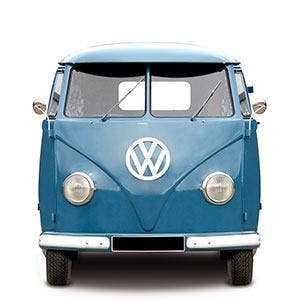 T2 Split
 T25
T25
 Transporter T4
 Transporter T5
 Golf Mk1
 Golf Mk2


 911
911
 996
996
 997
997
 986 Boxster
 987 Boxster
 912
912
 944
944
 924
924


 Defender
 Discovery Series 1
 Discovery 2
 Series 1, 2 & 3
 Freelander
 Freelander 2




The intersection of animal behavior and veterinary science has emerged as one of the most critical fields in modern animal welfare, conservation, and companion animal care. By understanding why animals act the way they do, veterinary professionals can provide more accurate diagnoses, reduce patient stress, and strengthen the bond between humans and animals. The Evolutionary Link Between Behavior and Health
Write an article optimized for a (like pet owners versus vet students) Share public link
This keyword is a mosaic of slang, platform names, internal codes, and status markers. Let's analyze each part.
Behavioral principles—operant conditioning applied to the owner—have proven effective. Simplifying instructions, using visual aids, and framing recommendations in terms of the animal’s emotional state (“your cat will feel less scared”) increases adherence. Furthermore, recognizing when an owner’s attachment style (anxious, avoidant, or secure) affects their perception of their pet’s illness allows the veterinarian to tailor communication.
Through behavior modifications, animals learn to voluntarily present their paws for nail trims, hold still for ultrasound examinations, open their mouths for dental inspections, and even present a vein for blood collection. This drastically reduces the mortality risks associated with chemical immobilization. The Future: Psychopharmacology and Genomics
If you would like to explore this topic further, I can tailor the details to your needs. Let me know: g., equine, feline, canine, or exotic wildlife)?
Furthermore, wearable technology—such as smart collars that track a dog's scratching, sleeping patterns, and heart rate variability—allows veterinarians to gather objective behavioral data in the animal's natural home environment, catching illnesses long before clinical symptoms present in the exam room. Conclusion
: A framework for examining behavior based on Mechanism (immediate cause), Development (lifespan/genetics), Function (survival value), and Evolution (ancestral history).
Panic responses in dogs left alone, leading to self-trauma or destructive behavior.
This divide created significant gaps in animal care. Chronic stress, fear, and anxiety can mask clinical symptoms, delay healing, and alter diagnostic test results, such as elevating blood glucose or cortisol levels. Modern veterinary science acknowledges that physical health and psychological well-being are inextricably linked. This convergence has birthed veterinary behavior, a specialized field dedicated to diagnosing and treating the behavioral manifestations of medical issues and vice versa. Behavior as a Diagnostic Tool
However, their peaceful life at the shelter was short-lived. A mysterious figure, known only as "The Animal Control Officer," had been tracking Strayx for months. This individual seemed determined to capture the elusive stray dog and relocate it to a remote facility.
High stress levels trigger the release of cortisol, which suppresses the immune system and delays wound healing. Minimizing fear during veterinary visits directly improves clinical outcomes.
Keep the last image tactile: a thumbprint on a vinyl groove, a whispered instruction—“teach what you can; keep the scratches.”
Historically, veterinary medicine and animal behavior were treated as distinct disciplines. Veterinarians focused strictly on pathology, surgery, and pharmacology. Behavior was largely left to trainers, ethologists, or behaviorists, often viewed through the lens of obedience rather than health.