
* THESE NOTES ARE CURRENTLY UNDER DEVELOPMENT AND ARE NOT 100% ACCURATE *
All images, text, JavaScript and HTML Code ©1995- by llamamusic.com
This web browser utility reads D‑10 Bulk Dump *.SYX files from a computer, tablet or smartphone and displays all Patch & Tone names. It was designed to create Patch and Tone listings from all of my Roland and third‑party PCM cards (PN‑D10‑03, Valhala, Best Choice, Voice Crystal, etc...) and various D‑10 SysEx files downloaded from the Internet. The method used is to LOAD ALL from a PCM card or RAM Memory Card into Internal Memory and then perform a BULK DUMP (Dump One Way ‑ All) on the D‑10 to create a valid SysEx file. Likewise, you can also load D‑5/10/20/110 SysEx files into the D‑10, perform a BULK DUMP and save SysEx files which can then be read by this utility. This utility will not work with any SysEx files previously created on a D‑5, D‑10, D‑20 or D‑110 synth (unless it was saved on a D‑10 using BULK DUMP (Dump One Way ‑ All)
Version 1.0(a) - 12/31/2023
     • Initial Release
Version 1.1 - 02/22/2024
     • Fixed a bug which was not displaying "Less Than" and "Greater Than" characters for Patch and Tone Names ("<" and ">")
Notes About D‑10 SysEx Bulk Dump Files & Synth Structure
- As you have probably noticed, there are several D‑10 SysEx files to be found on the Internet. Not all of these files will load correctly into the D‑10. Likewise, not all of these files will work with this utility. This utility is designed to work only with D‑10 SysEx files created using the BULK DUMP (Dump One Way ‑ All) method. This utility is able to tell the difference between SysEx file structures when you load them. The size of a Dump One Way ‑ All file is ~44KB
- There are a few D‑10 Patch banks in a *.ZIP file at this link which you can use to test the program, all saved as BULK DUMP (Dump One Way ‑ All)
 D-10_Reader_SysEx_Test_Files.zip
- SysEx files created on a D‑110 will load on a D‑10 but only 128 Tones will be loaded. No Patch info will be transferred. This is because D‑10 Performance Patches, Rhythm Patterns and Rhythm Tracks are not compatible with the D‑110. Keep this in mind when working with D‑110 files on a D‑10 because the Patch columns will have generic or blank enteries

- When using this utility on a Mac system, to speed up the load process, open a Finder window and search for all *.SYX files. Drag one file at a time from the Finder window directly onto the "Choose File (Safari/Chrome)" or "Browse (FireFox)" button in this browser utility. The file will then be read automatically without having to drill down and search through several directories (click for larger image)
D-10 Architecture
P A T C H E S
There are a total of 128 user editable Patches on the D‑10. The settings you can change in Patches are:
Patch Name - Reverb - Assign Mode - Panning - Tone Select - Tuning - Split Point - Bender Range & more
When you load a SysEx file, these 128 user Patches are overwritten with whatever data is contained in the SysEx file
T I M B R E S
There are a total of 128 preset Timbres on the D‑10. The settings you can change in Timbres are:
Tone Select - Fine Tuning - Reverb Switch - Assign Mode - Bender Range - Key Shift
When you load a SysEx file, these 128 Timbre settings are overwritten with whatever data is contained in the SysEx file
T O N E S (User Editable)
There are a total of 64 user editable Tones on the D‑10. The parameters you can change in Tones are:
Common Parameters (Envelopes, LFO's, Frequency, etc...) - PCM Waveform - Structure - Tone Name & more
When you load a SysEx file, these 64 user Tones are overwritten with whatever data is contained in the SysEx file
T O N E S (Preset Internal)
There are a total of 128 preset internal Tones on the D‑10. These are hard coded on IC12 and cannot be edited (ROM)
When you load a SysEx file, these 128 preset internal Tones are unaffected
M E N U D I V I N G
While scrolling through the menus on the LCD, you will notice different prefixes in front of the various sound names
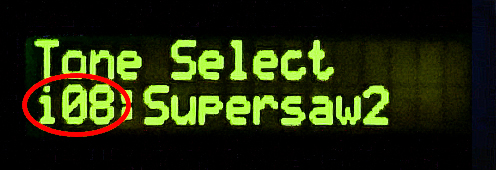
       i08 = User Editable Tone #08     (RAM) / Bank i  (Bank i Tones can be edited and/or overwritten by a SysEx file)
     I-A36 = User Editable Patch #36    (RAM) / Bank A  (Bank A Patches can be edited and/or overwritten by a SysEx file)
     I-B84 = User Editable Patch #84    (RAM) / Bank B  (Bank B Patches can be edited and/or overwritten by a SysEx file)
       a46 = Preset Internal Tone #46   (ROM) / Bank a  (Bank a Tones can not be edited and/or overwritten by a SysEx file)
       b17 = Preset Internal Tone #17   (ROM) / Bank b  (Bank b Tones can not be edited and/or overwritten by a SysEx file)
       r59 = Preset Internal Rhythm #59 (ROM) / Bank r  (Bank r Rhythms can not be edited and/or overwritten by a SysEx file)
Questions & Answers
Abc Dalf C1 C2 Audio Full [best]
Ultimate Guide to ABC DALF C1/C2 Audio: Master Your French Listening Comprehension
For C2, listening and speaking are merged. You must listen to a long audio recording (approx. 15 minutes) just once, take meticulous notes, and deliver a structured oral presentation based on it. 2. Where to Access the Full Audio Files
To get the most out of your ABC DALF full audio tracks, do not simply listen and check the answers. Follow this active study method:
The DALF (Diplôme Approfondi de Langue Française) C1 and C2 certifications represent the pinnacle of French language proficiency for non-native speakers. Administered by France Éducation international and the French Ministry of Education, these diplomas certify that a speaker has achieved complete linguistic autonomy. For candidates aiming to pass these rigorous exams, mastering the listening comprehension ( compréhension de l'oral ) section is often the steepest hurdle. abc dalf c1 c2 audio full
Many students fail the listening portion of the DALF, not because their French is poor, but because they are unprepared for the format of the audio.
The ABC DALF series is widely regarded by language schools and Alliance Française centers as the gold standard for exam preparation. The "audio full" designation refers to the complete collection of recorded materials that accompany the textbook, designed to mimic the exact conditions, speeds, and accents of the official examinations.
C1 audio is approximately (standard news). C2 audio is 180–200 words per minute (passionate debate). The "full" package includes both speeds. Ultimate Guide to ABC DALF C1/C2 Audio: Master
How many people are speaking, and what are their relationships to one another? Step 2: Strategic Note-Taking (The Key to C1/C2 Success)
Make sure to mention the CEFR levels and how the resource aligns with exam requirements. Also, note accessibility, like if the audio is available in digital format, easy to download, etc. Maybe recommend it for exam preparation and casual practice. Avoid technical jargon so that the review is accessible to all readers.
20 minutes of daily listening is better than 3 hours once a week. mimicking their intonation exactly.
Using complete audio resources, such as the comprehensive materials provided by ABC DALF C1/C2, is the single most effective way to train your ear for the complex, fast-paced, and nuanced French used in these exams.
This is the secret weapon. Play a 30-second segment of the audio. Repeat it aloud immediately after the speaker, mimicking their intonation exactly. Do this for the entire "full" track.
While the ABC series is excellent, you need variety to reach C2 mastery. Use these free resources alongside your studies:
| If you find some of this DIY info useful, please consider donating a small amount. All donations are used for future DIY sampler development. Thanks! | 
|
 Back To The D-10 Patch & Tone Reader Utility