Accidentally deleted important files from your computer and emptied the Recycle Bin? Fret not, try Drecov software now and preview all lost files for free.
Free TrialFiles deleted from desktop, local disk, USB drive and SD cards without backup
Emptying The Recycle Bin Results In Loss Of Files
Accidentally pressing Shif+Del results in fast delete of files
Accidentally formatting the wrong drive or partition, or trying to perform disk cleanup
The disk is damaged due to power failure or other reasons and cannot read data.
All stored data are inaccessible once partitions are lost
Drecov software is a tool to recover data from hard drive partition loss.Try recovering lost data from formatted,corrupted and lost disk partitions now!
Free TrialWhile it focused on a fun activity, the core of the campaign was the heart-wrenching videos of survivors and their families explaining the brutal reality of the disease. The Ethics of Sharing
This is where the survivor story sits. It captures the audience's attention through shared humanity.
While survivor stories are powerful, they must be handled with care. Ethical awareness campaigns prioritize the over the "shock value" of the story.
This public link is valid for 7 days and shares a thread, including any personal information you added. This link or copies made by others cannot be deleted. If you share with third parties, their policies apply. Can’t copy the link right now. Try again later.
Public health campaigns often rely on quantitative data to illustrate the scope of an issue. However, numbers frequently fail to motivate communities on an individual level. This phenomenon, known in psychology as the "identifiable victim effect," suggests that people are far more likely to offer aid or change their behavior when observing the specific plight of a single person rather than a large, abstract group.
The Power of Resilience: Survivor Stories and the Impact of Awareness Campaigns
By supporting these campaigns, protecting the storytellers, and demanding measurable action, society can convert individual pain into collective progress.
Sharing stories of recovery from cancer or domestic abuse can dismantle the shame often associated with these experiences, encouraging others to seek help early.
A successful campaign does not just "spread awareness"; it drives action. Modern campaigns often follow a three-tier structure to maximize their reach:
“I’m not here to be angry,” Maria said. “I’m here to be evidence. My body is evidence. My scars are evidence. The fact that I’m standing here and thirty-seven people are not—that’s evidence. And evidence doesn’t care about corporate talking points. Evidence just sits there, waiting for someone to look at it.”
An awareness campaign is the vehicle that delivers these vital stories to the public. However, visibility alone is not enough. The most successful campaigns in recent history share a specific framework that moves audiences from passive awareness to measurable action.

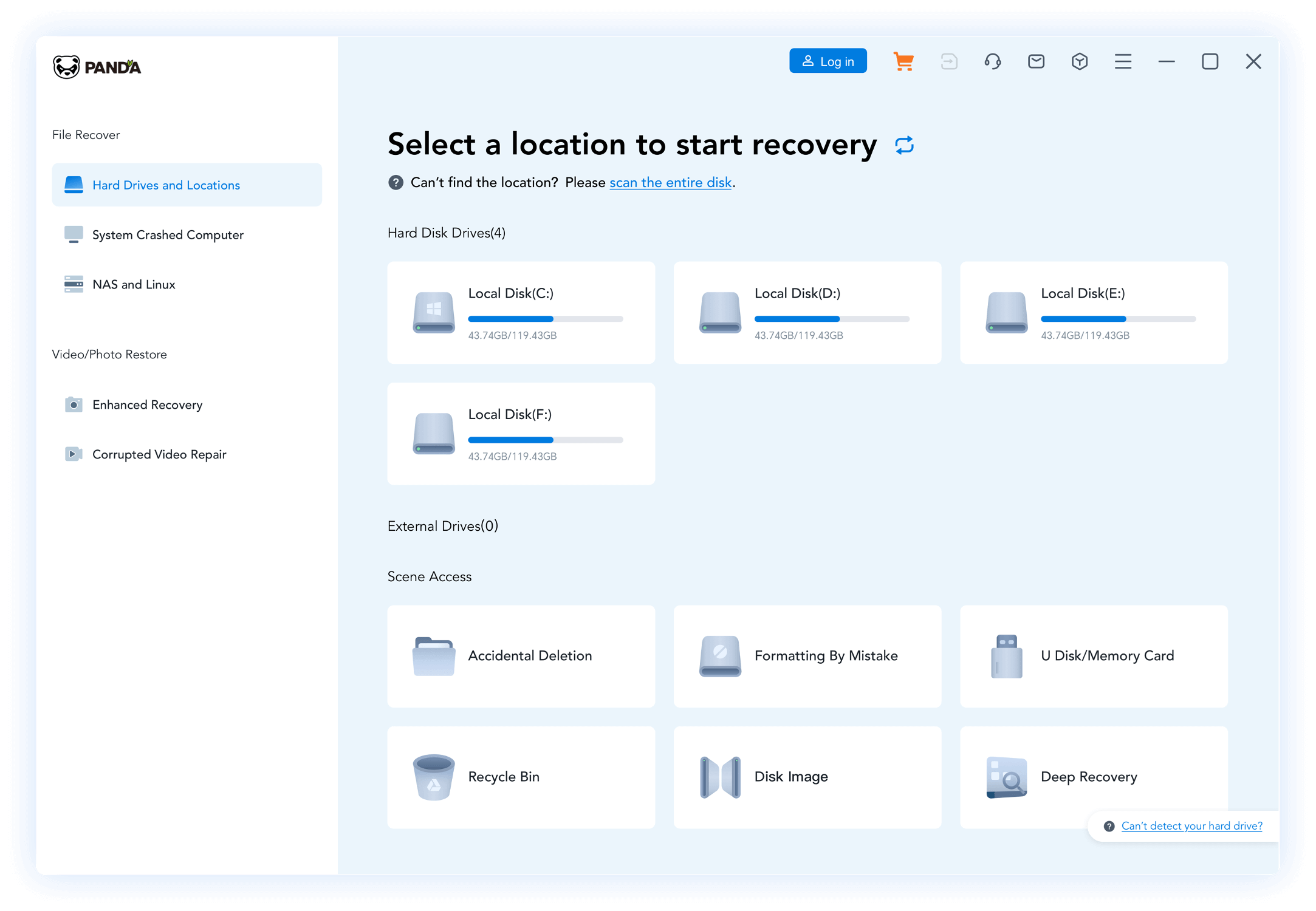
Run Drecov software, select the location of the lostfiles, and start scanning.
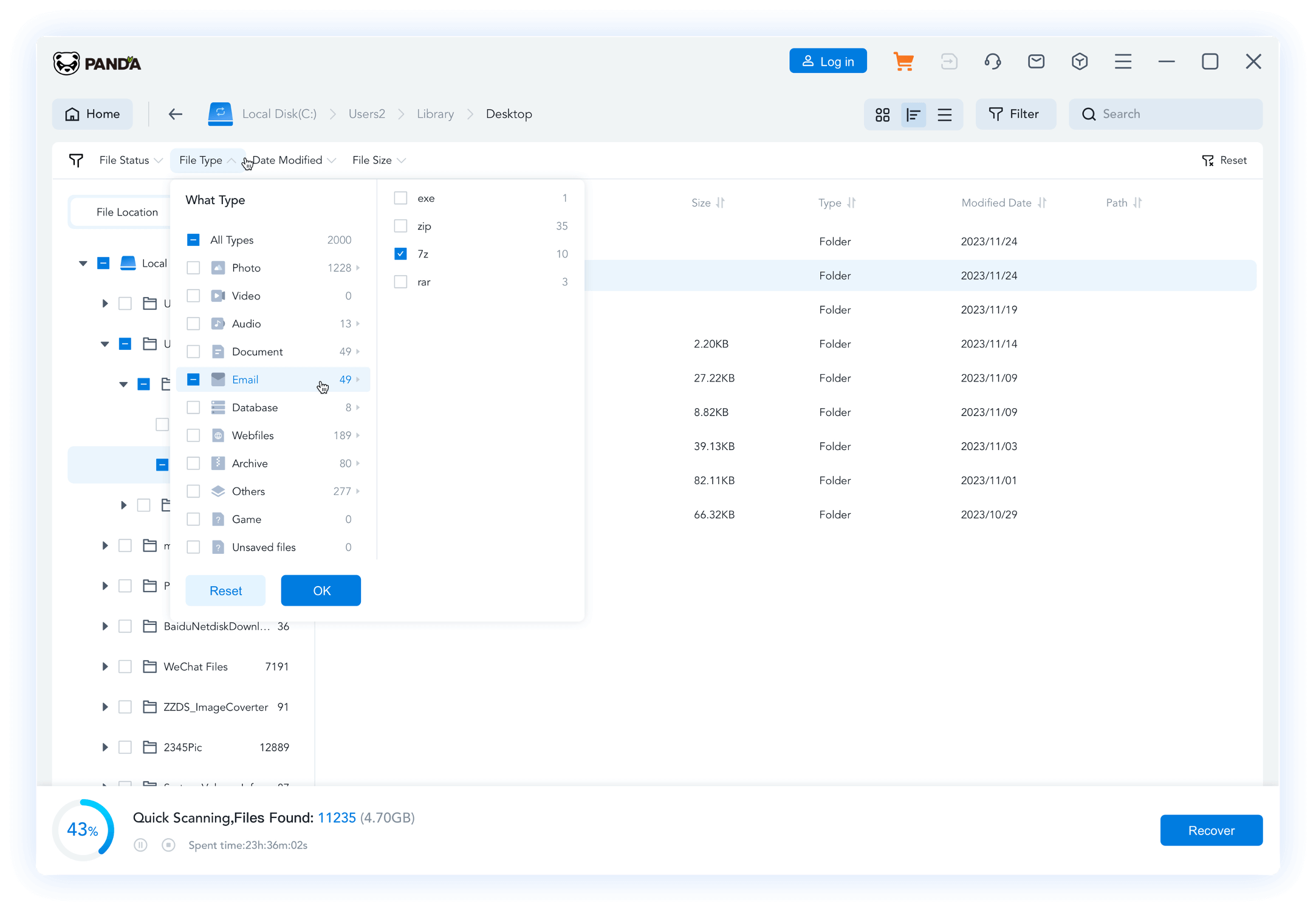
Preview lost files during scanning, search files by file type, and preview all recoverable data.
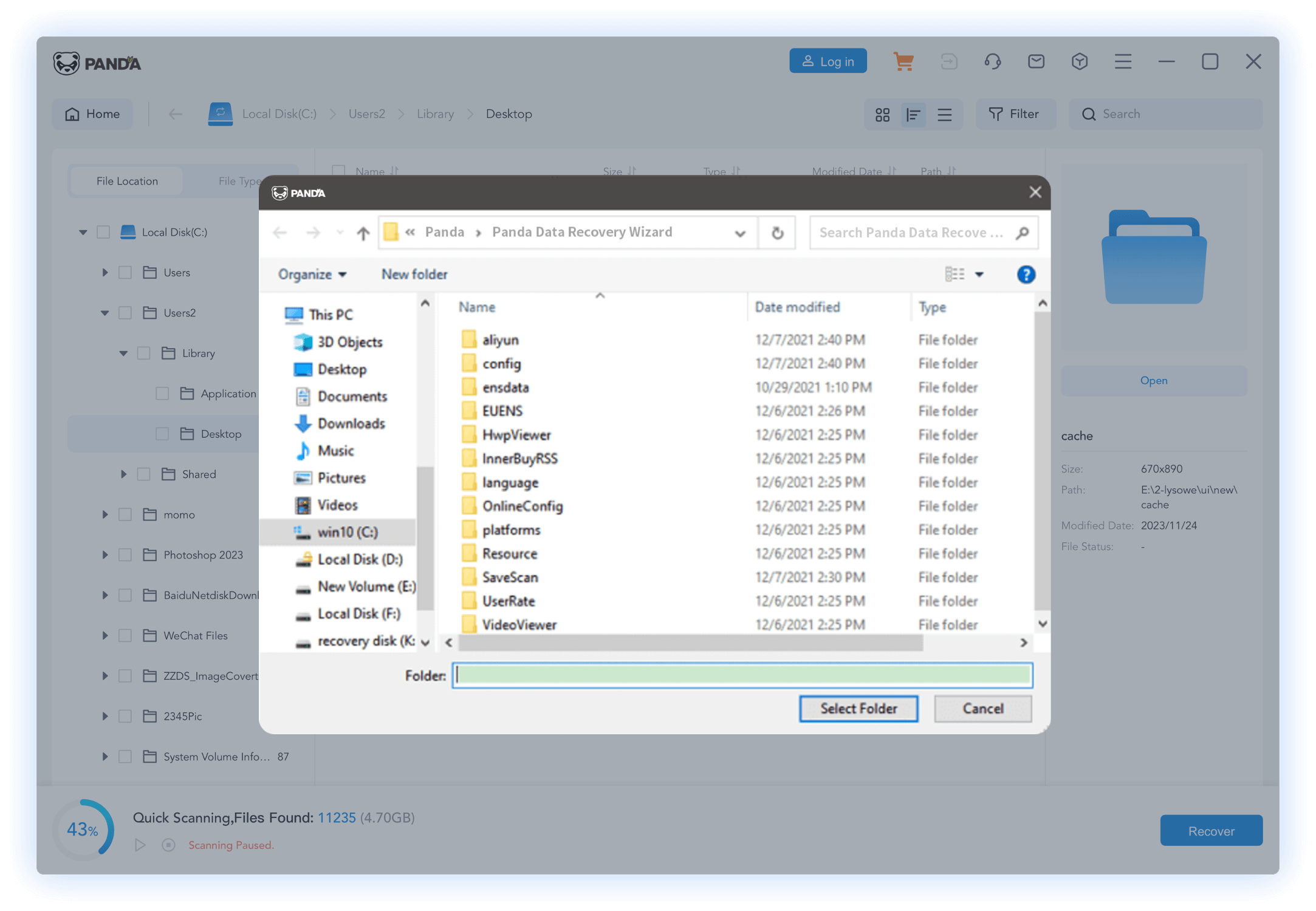
Select the lost files you wish to recover and click "Recover" to save the data to a new drive.
Data recovery apps cannot retrieve everything, but Drecov software has been proven in tests to recover lost and deleted files, including files that could not be found on other data recovery software.
Recover lost files, including images, videos, songs, files, emails, or archived files. Other functions include filters, preview options and deep scanning.
Drecov software is one of the most powerful file recovery programs we have used. It comes with advanced functions, an excellent user interface and fast deep scanning tools.
While it focused on a fun activity, the core of the campaign was the heart-wrenching videos of survivors and their families explaining the brutal reality of the disease. The Ethics of Sharing
This is where the survivor story sits. It captures the audience's attention through shared humanity.
While survivor stories are powerful, they must be handled with care. Ethical awareness campaigns prioritize the over the "shock value" of the story.
This public link is valid for 7 days and shares a thread, including any personal information you added. This link or copies made by others cannot be deleted. If you share with third parties, their policies apply. Can’t copy the link right now. Try again later.
Public health campaigns often rely on quantitative data to illustrate the scope of an issue. However, numbers frequently fail to motivate communities on an individual level. This phenomenon, known in psychology as the "identifiable victim effect," suggests that people are far more likely to offer aid or change their behavior when observing the specific plight of a single person rather than a large, abstract group.
The Power of Resilience: Survivor Stories and the Impact of Awareness Campaigns
By supporting these campaigns, protecting the storytellers, and demanding measurable action, society can convert individual pain into collective progress.
Sharing stories of recovery from cancer or domestic abuse can dismantle the shame often associated with these experiences, encouraging others to seek help early.
A successful campaign does not just "spread awareness"; it drives action. Modern campaigns often follow a three-tier structure to maximize their reach:
“I’m not here to be angry,” Maria said. “I’m here to be evidence. My body is evidence. My scars are evidence. The fact that I’m standing here and thirty-seven people are not—that’s evidence. And evidence doesn’t care about corporate talking points. Evidence just sits there, waiting for someone to look at it.”
An awareness campaign is the vehicle that delivers these vital stories to the public. However, visibility alone is not enough. The most successful campaigns in recent history share a specific framework that moves audiences from passive awareness to measurable action.

PandaOffice Online Support
You may be interested in: